Ring Guide
Every ring,
explained.
Eight types of ring and the styles within each, then the parts of a ring, the shapes a stone comes in and how to find your size.
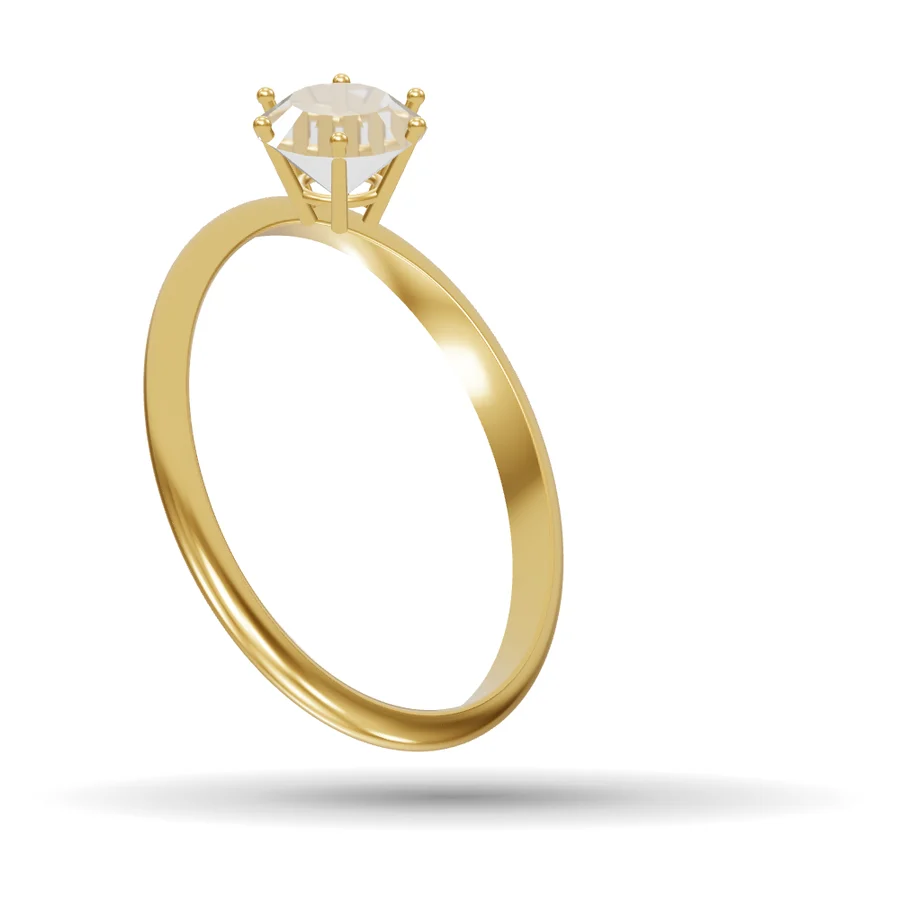
Solitaire
One stone, on its own.
1 in the index
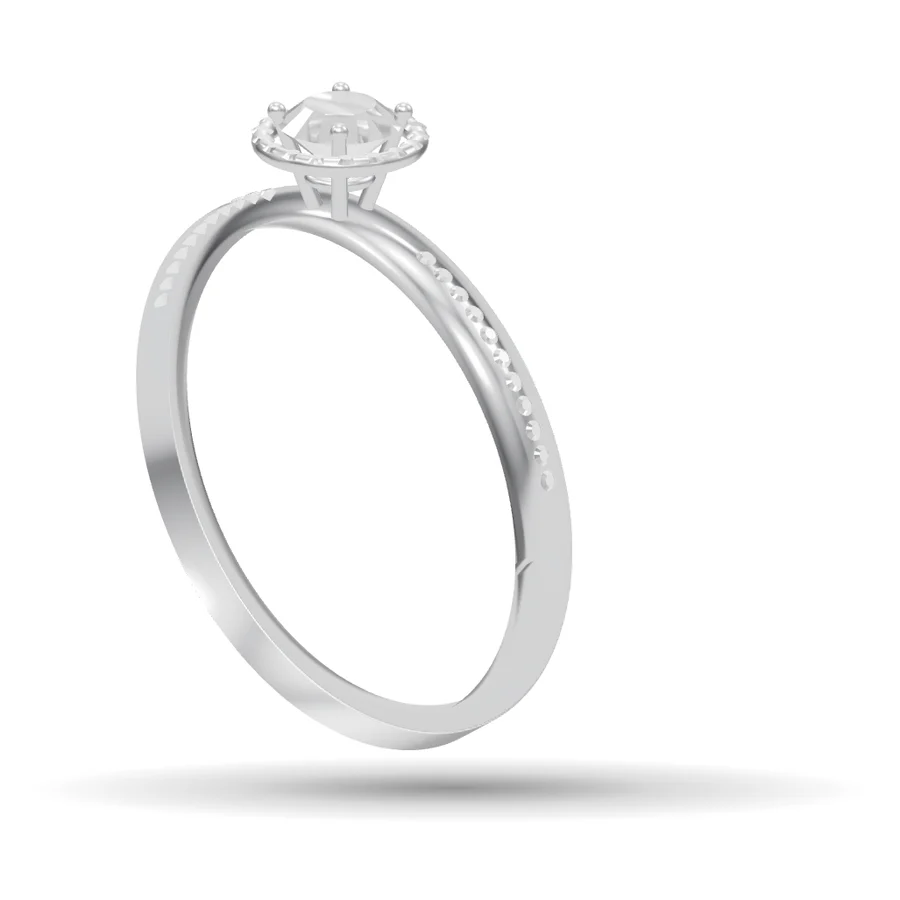
Halo
A centre stone ringed by smaller diamonds.
None in the index yet
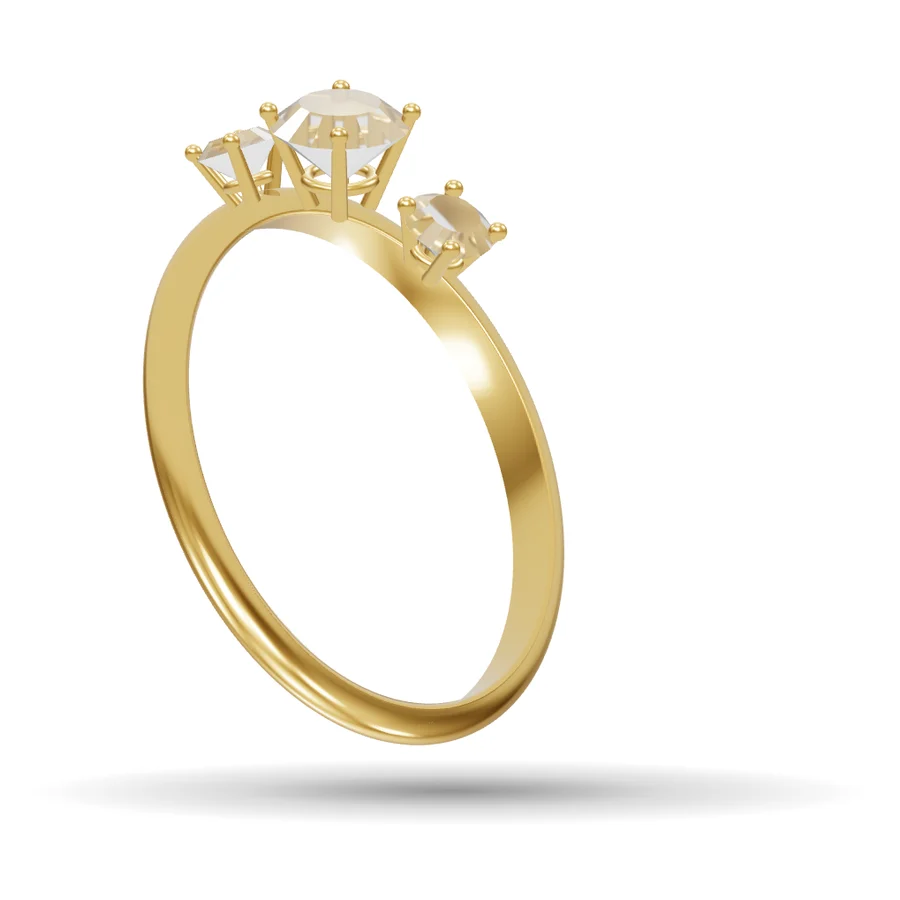
Three-Stone
A centre stone between two smaller ones.
None in the index yet
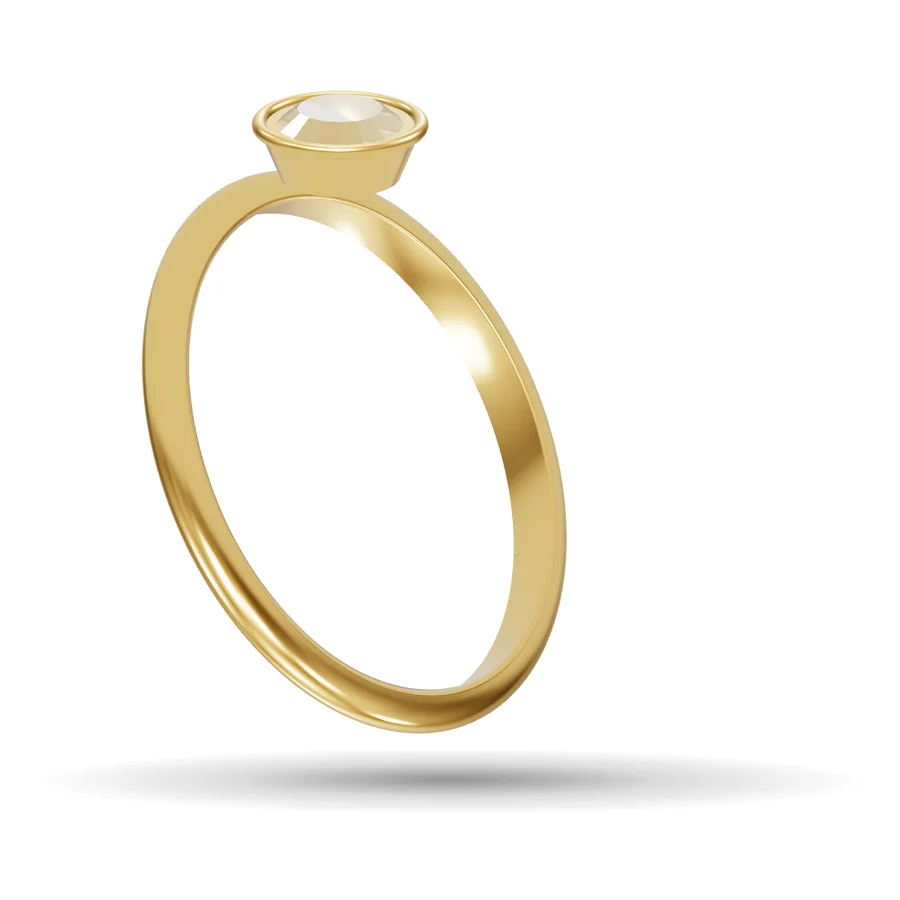
Bezel
The stone held in a rim of metal instead of prongs.
None in the index yet
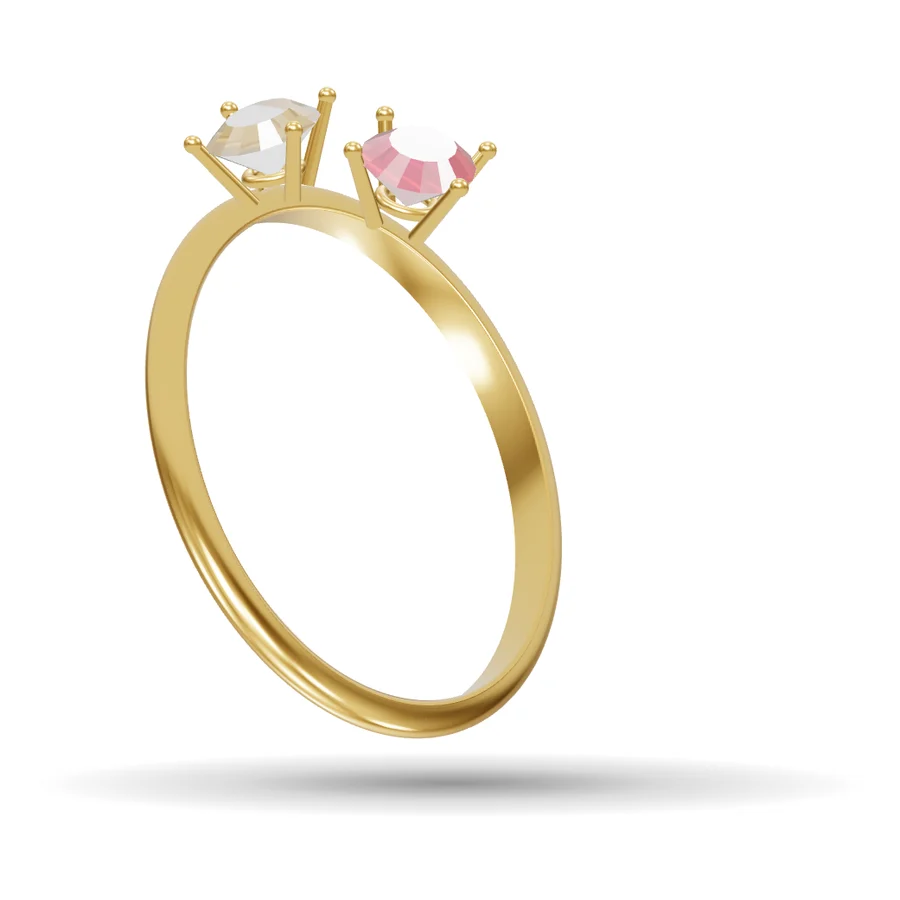
Toi et Moi
Two stones side by side: you and me.
None in the index yet
02
Wedding Bands
The band given on the day, plain or set with stones, made to be worn for life.
See 3 in the index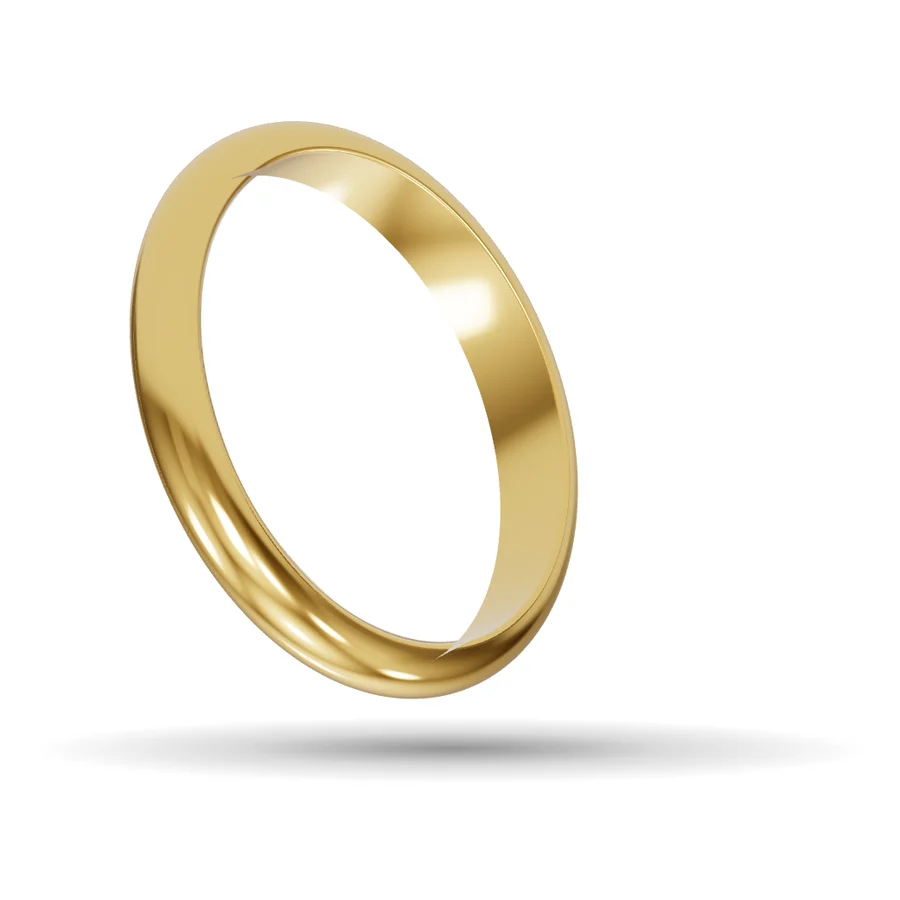
Plain
A smooth band of gold or platinum.
None in the index yet
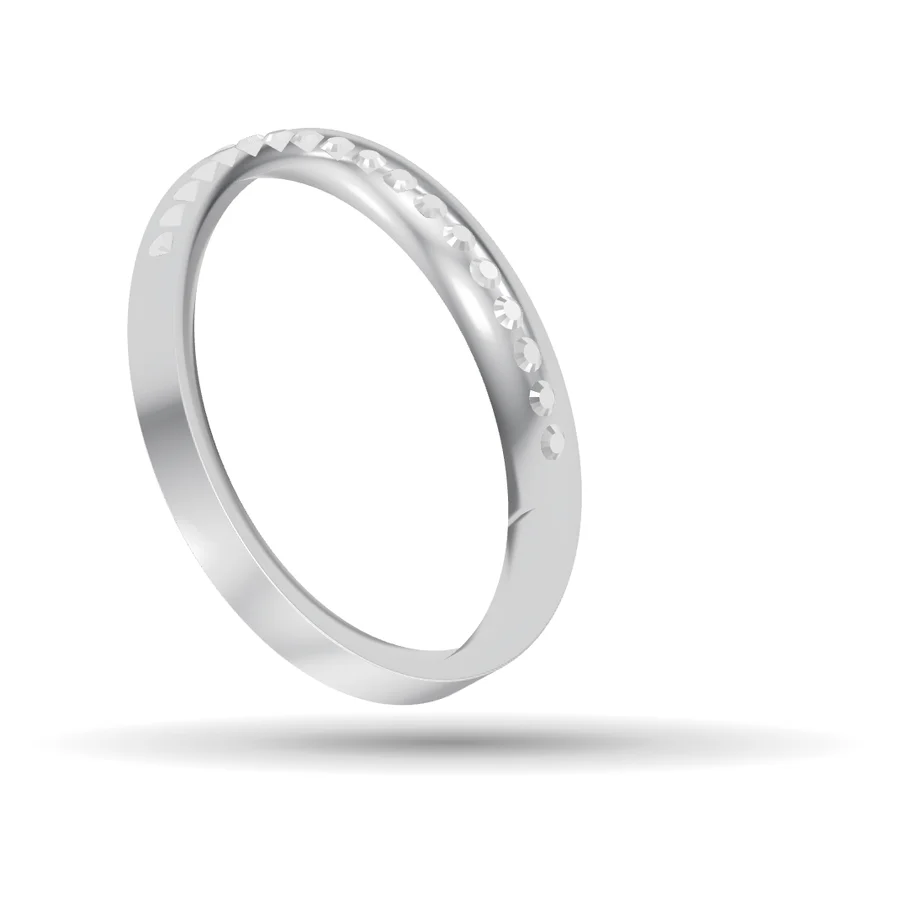
Diamond
Small stones set across the top.
2 in the index
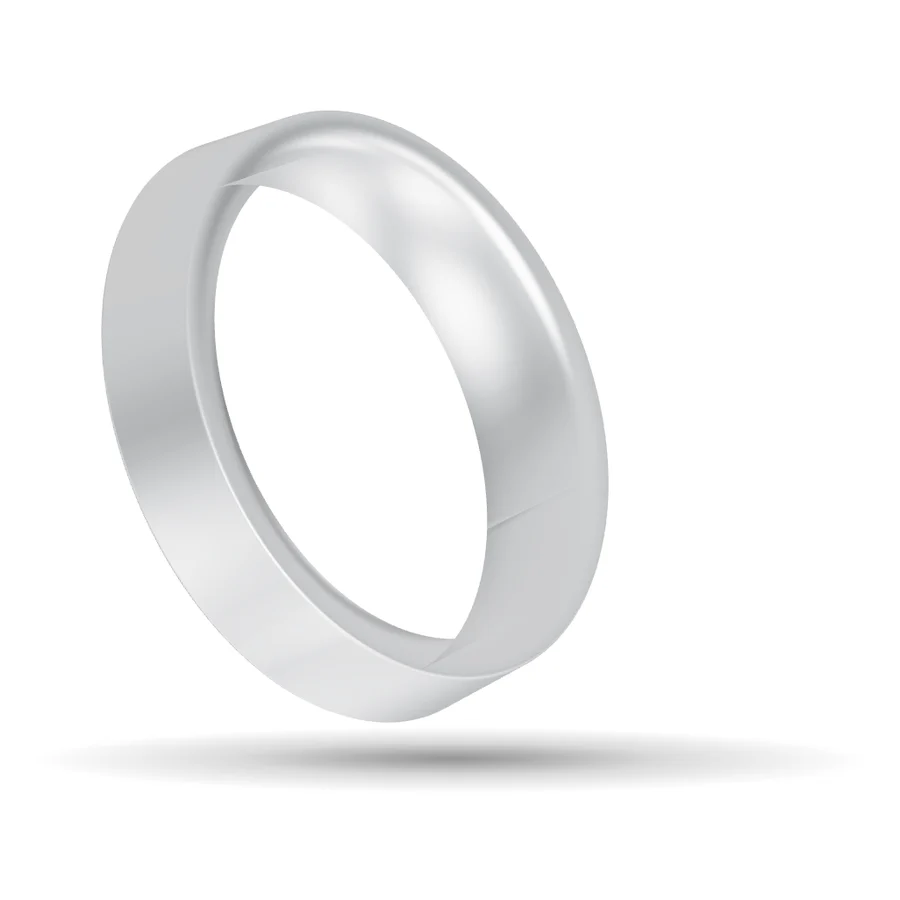
Men's
Wider and heavier, often flat or brushed.
1 in the index
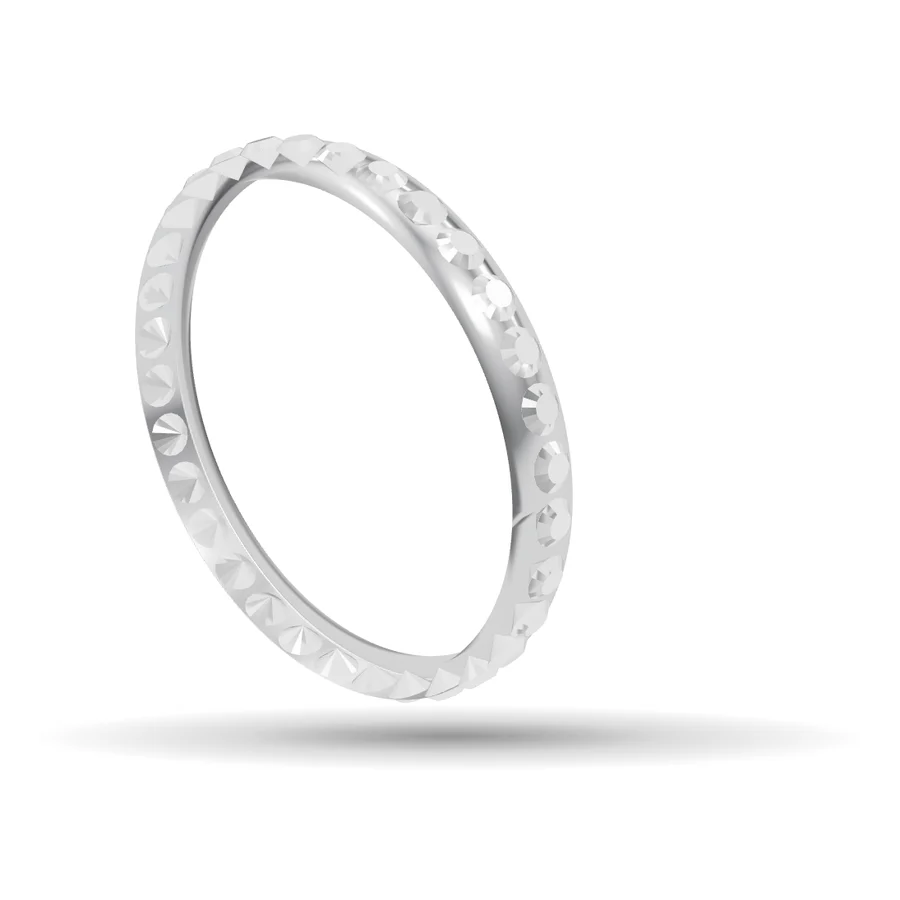
Full
Stones all the way around.
5 in the index
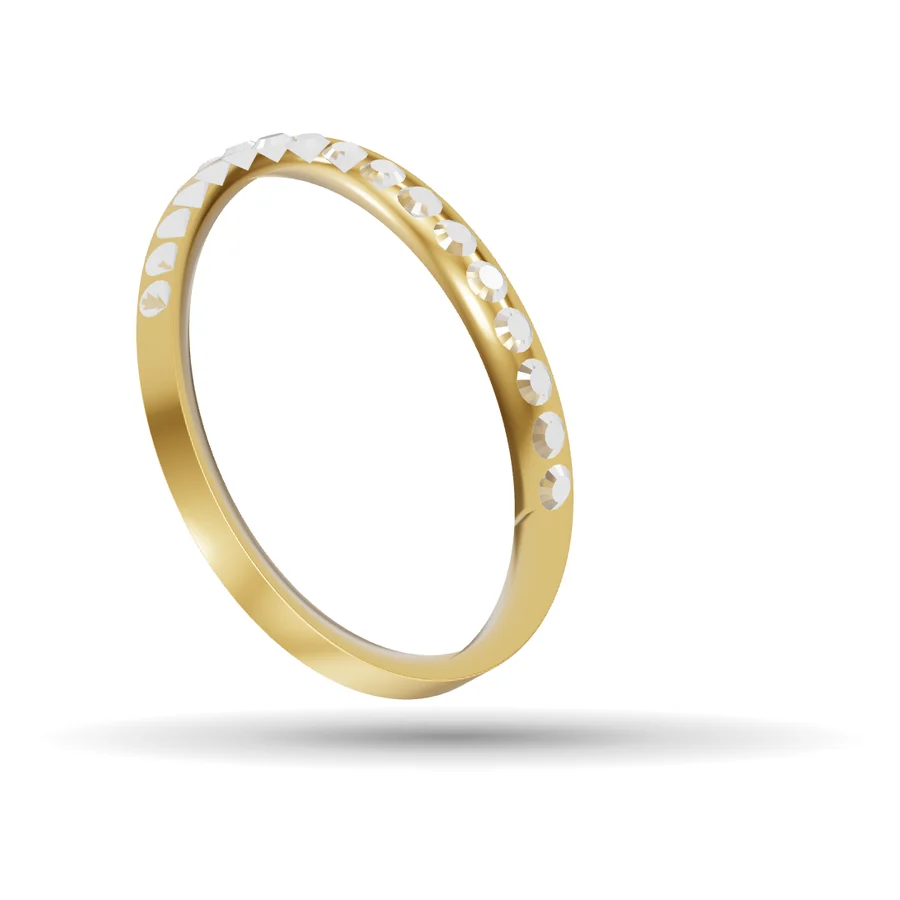
Half
Stones across the top half only, so it can be resized.
None in the index yet
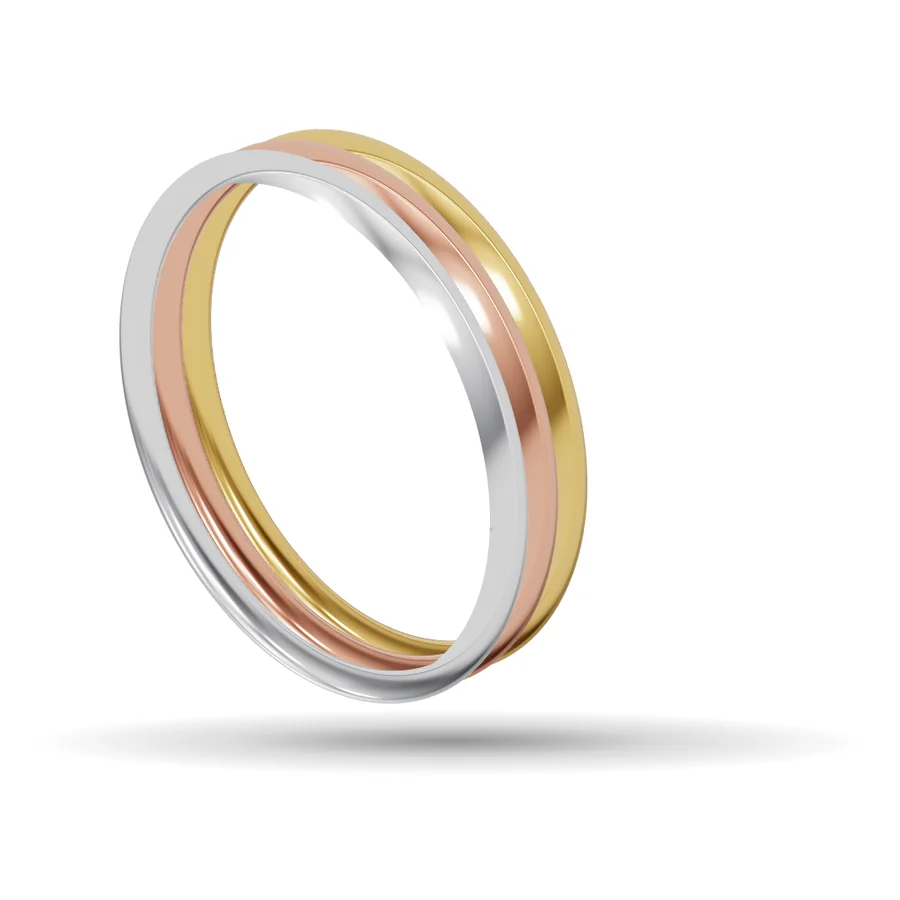
Plain
Slim bands worn in twos and threes.
2 in the index
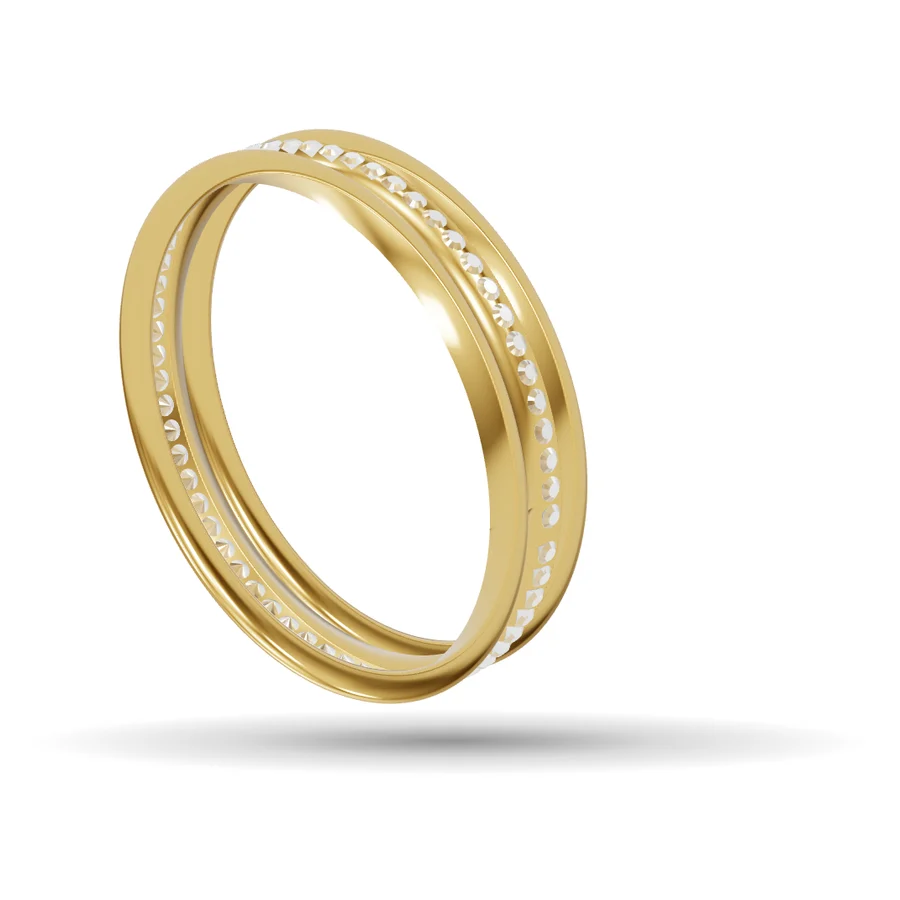
Pavé
Tiny stones set close together along a slim band.
None in the index yet
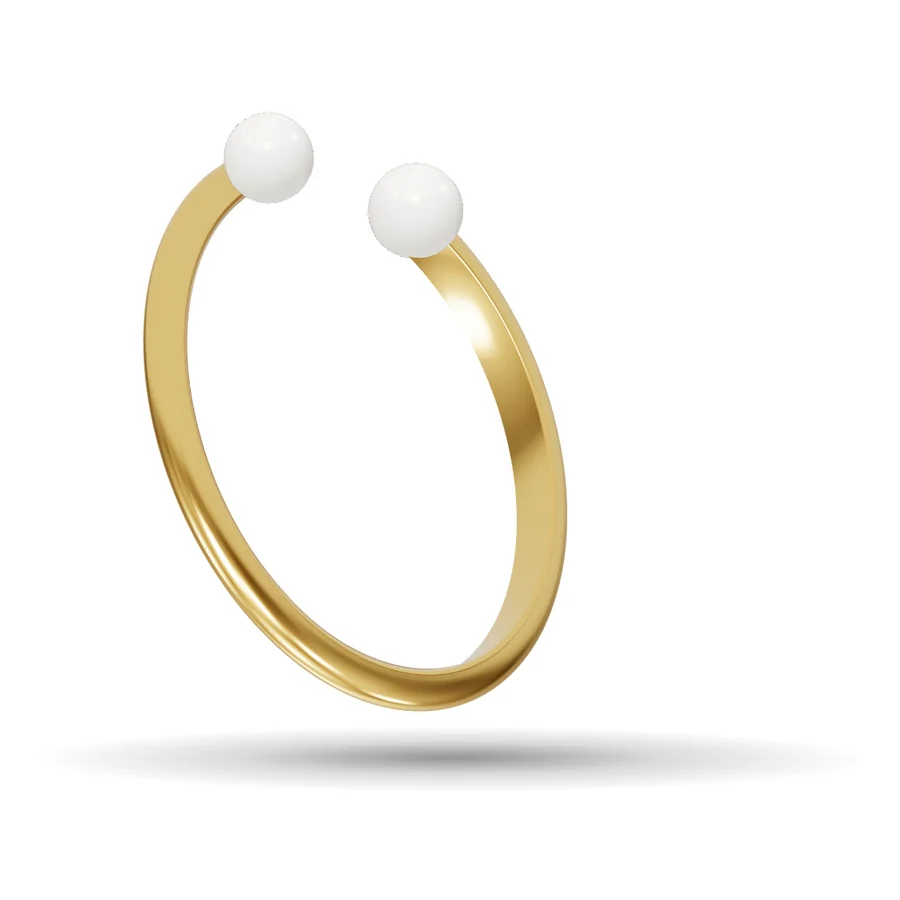
Open
A band that stops short, its ends finished with stones or pearls.
None in the index yet
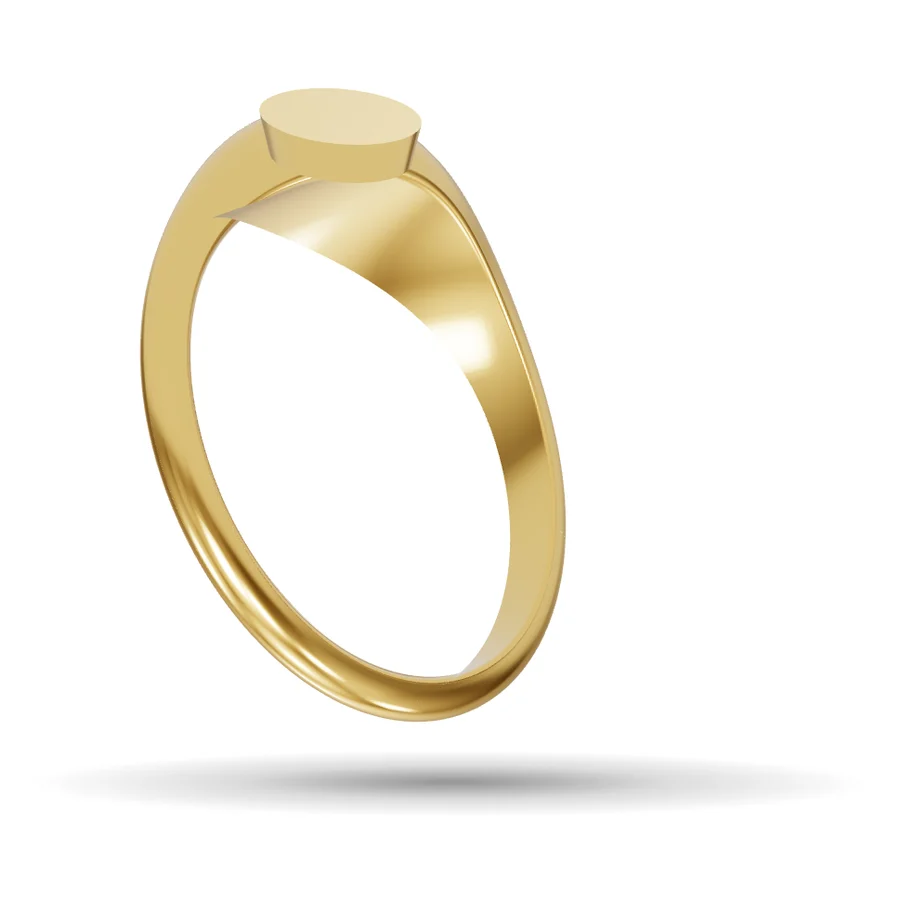
Oval
An oval face: the classic shape.
None in the index yet
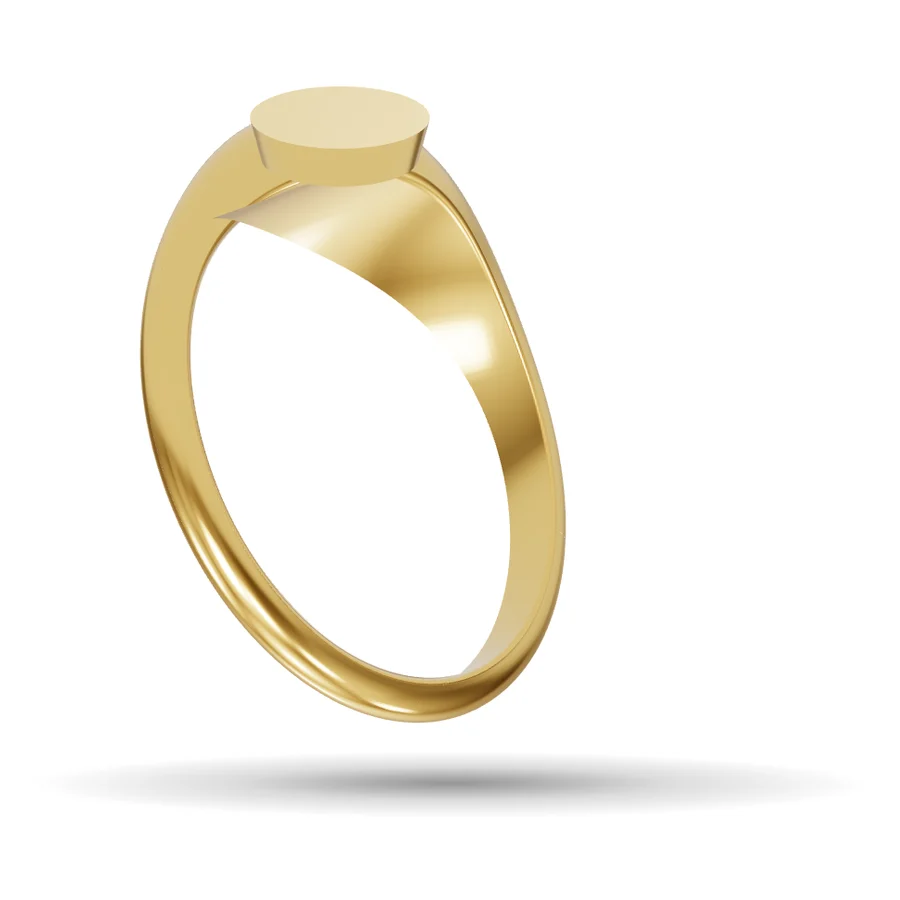
Round
A circular face.
None in the index yet
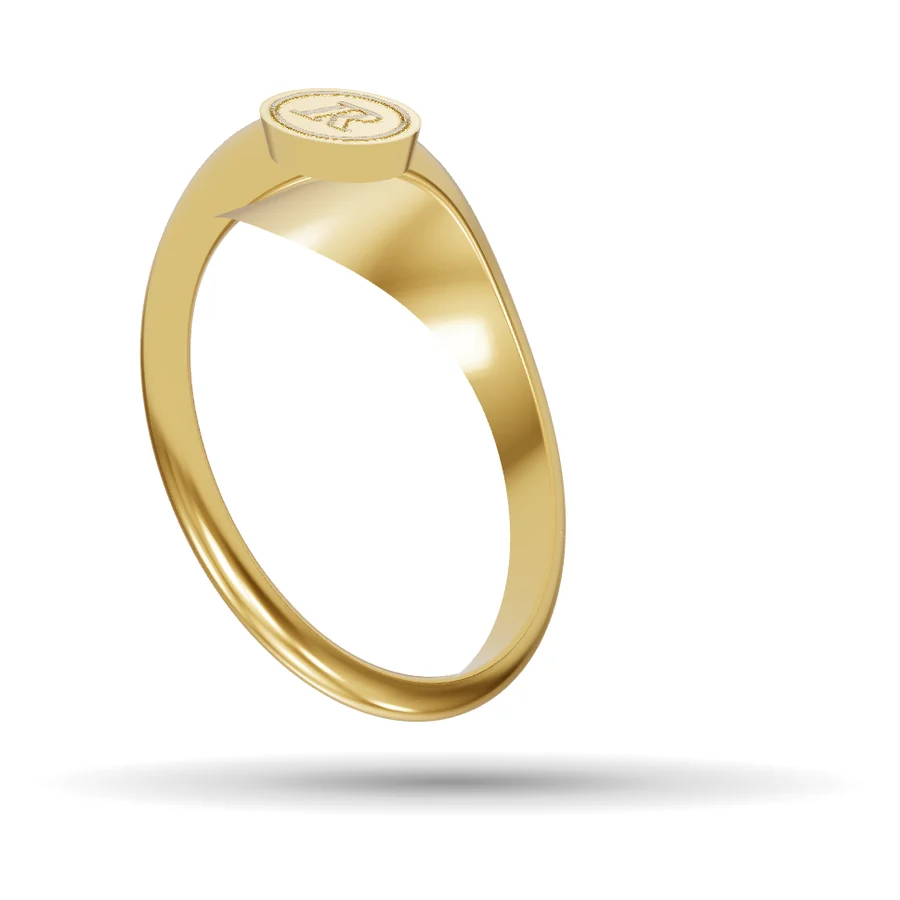
Engraved
A face carved with initials or a crest.
None in the index yet
06
Statement
Rings that walk in first: one big stone, a bold color or a sculpted shape.
See 11 in the index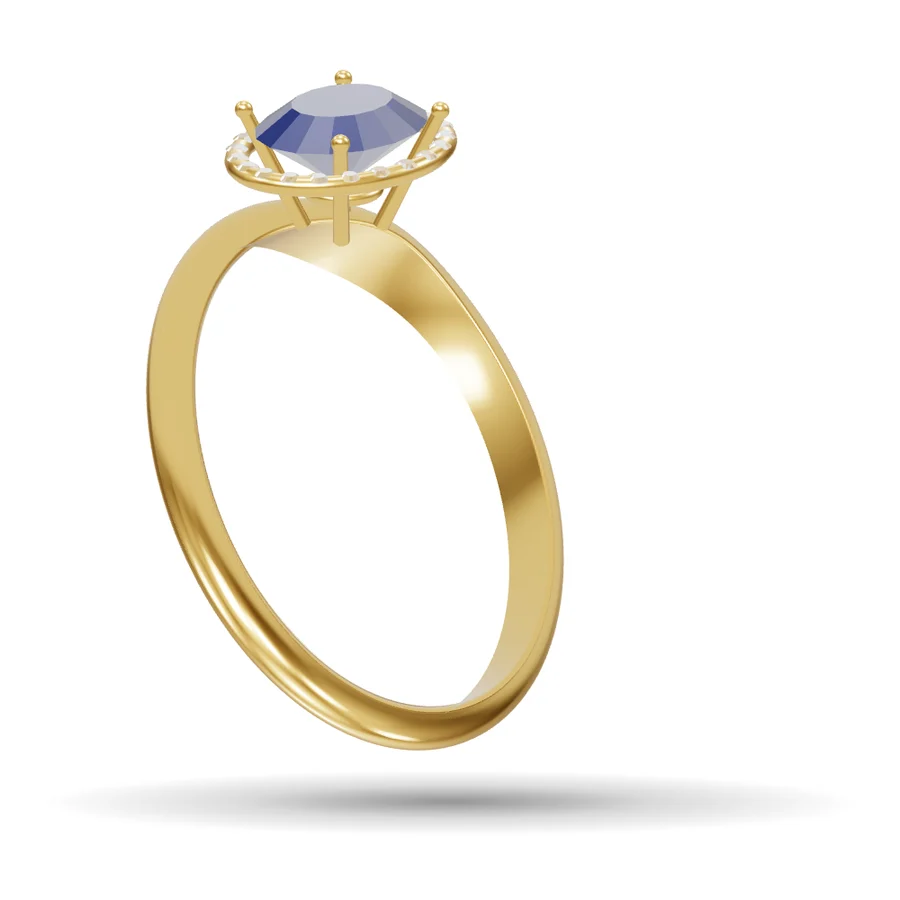
Cocktail
One large stone, often ringed with diamonds.
4 in the index
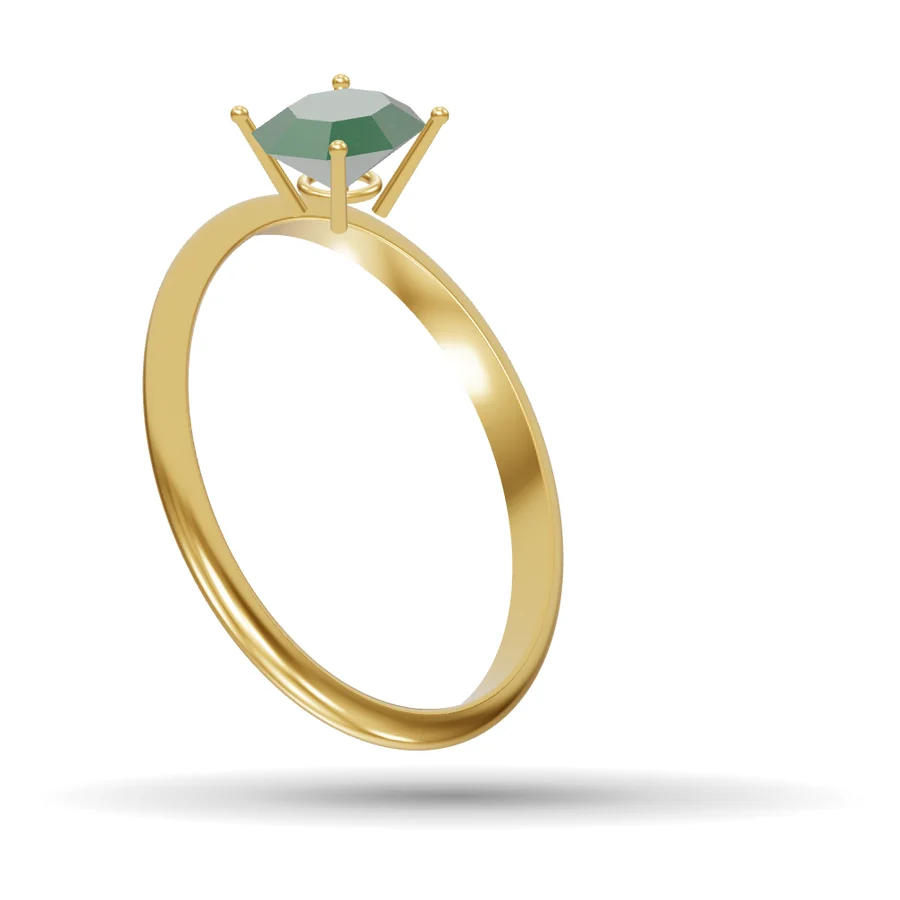
Colored Stone
Built around a sapphire, emerald or ruby.
1 in the index
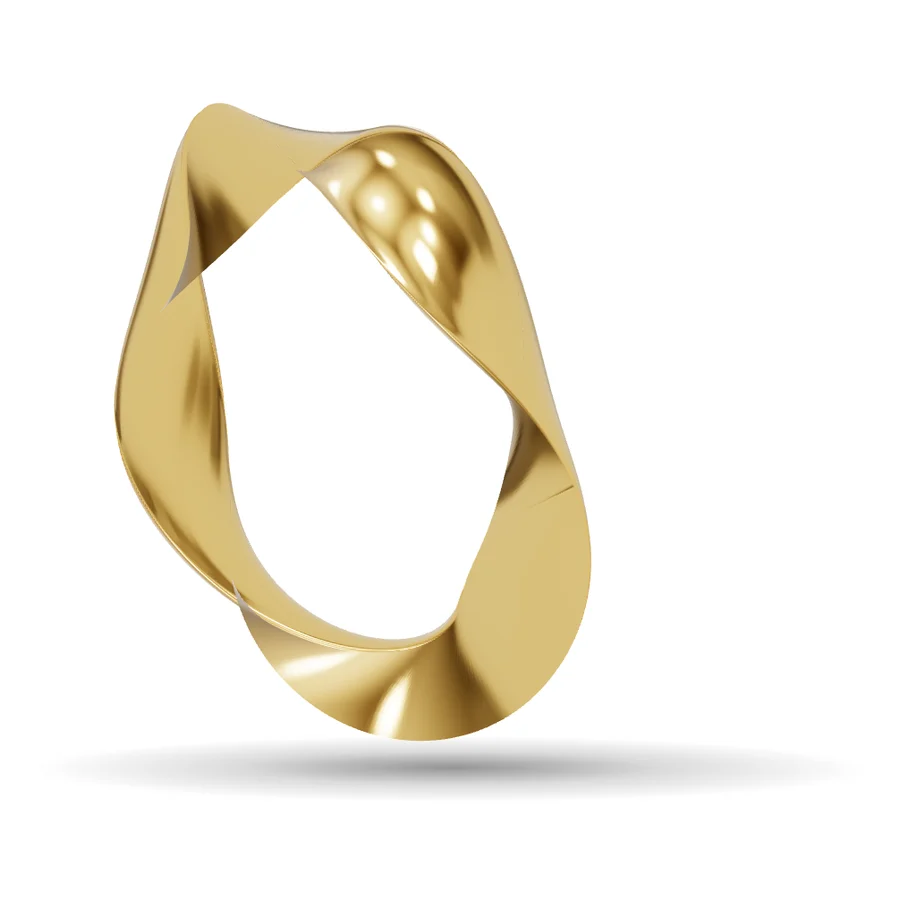
Sculptural
The metal itself is the design.
2 in the index
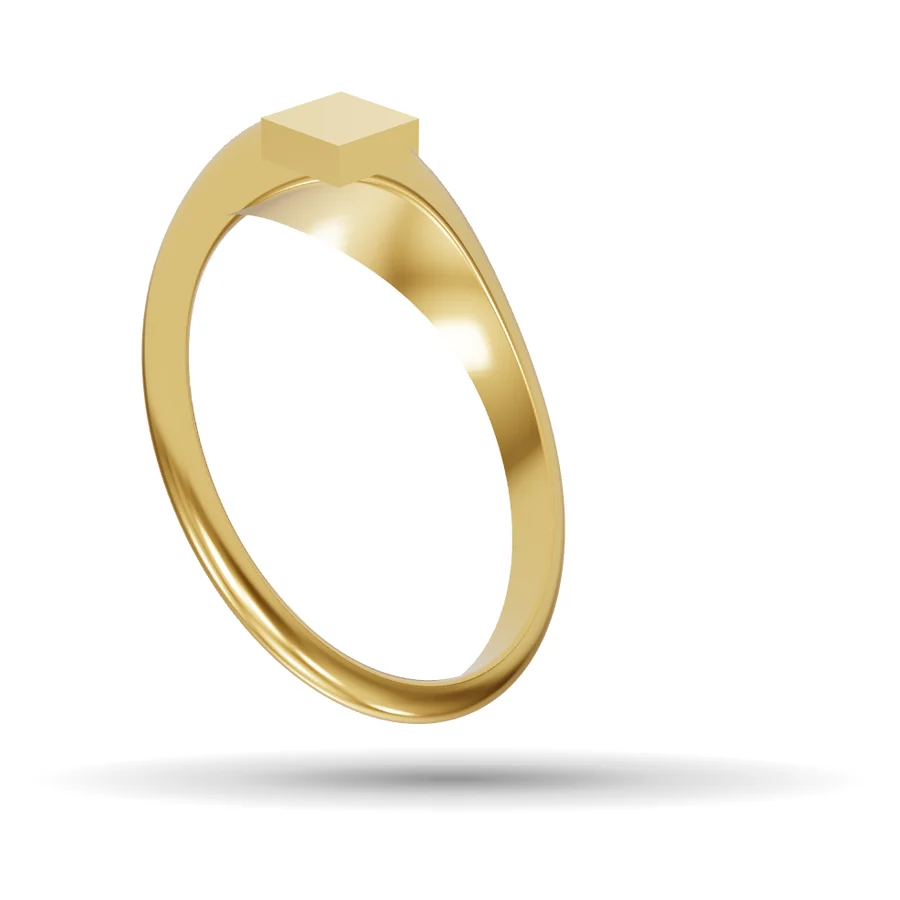
Signet
A small signet for the little finger.
3 in the index
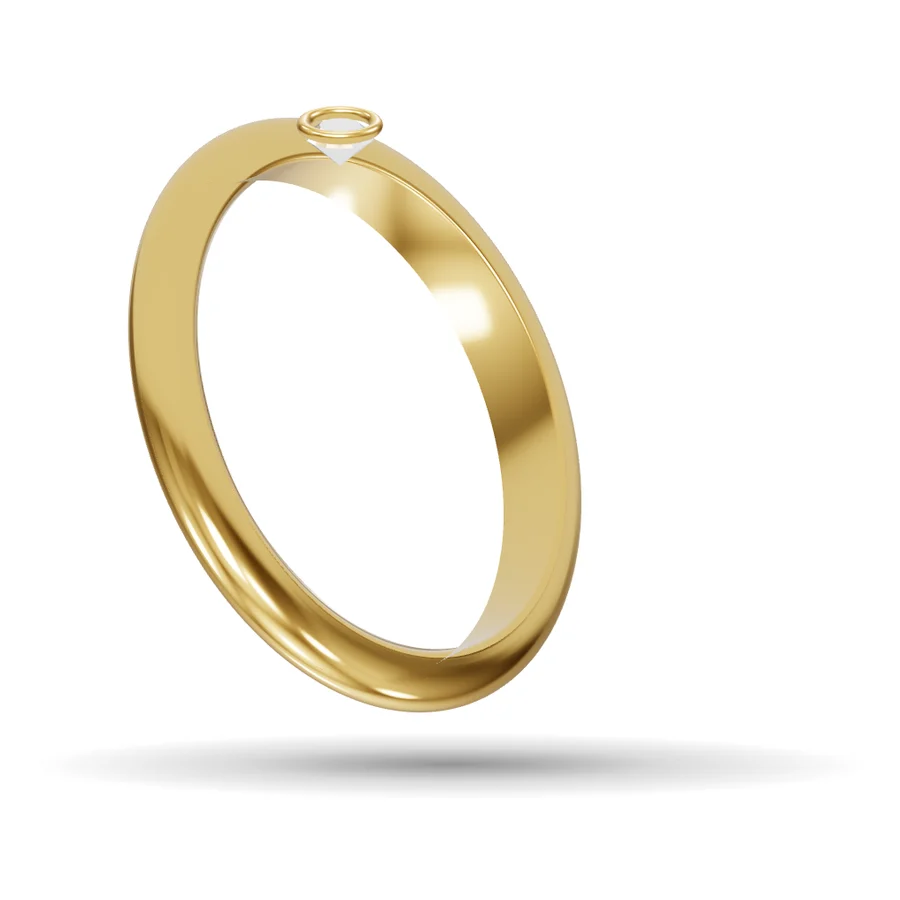
Band
A heavier band, sometimes with a flush-set stone.
None in the index yet
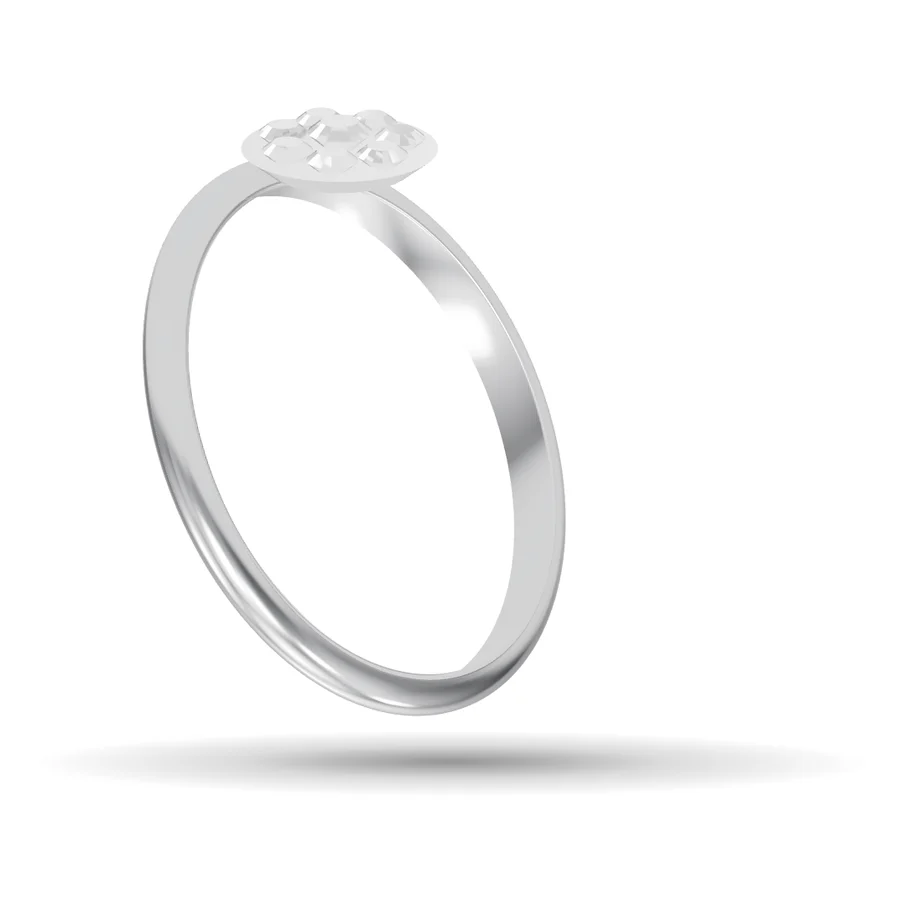
Diamond
A cluster of diamonds on a slim band.
None in the index yet
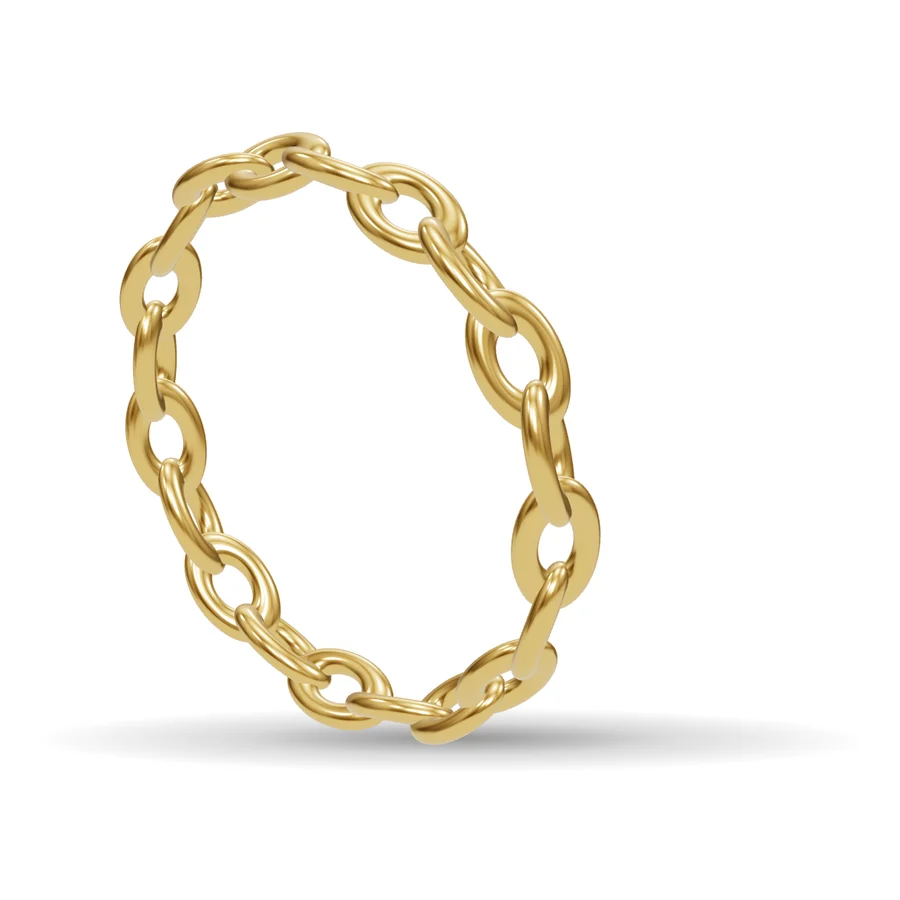
Solid
Heavy curb links in solid gold.
None in the index yet
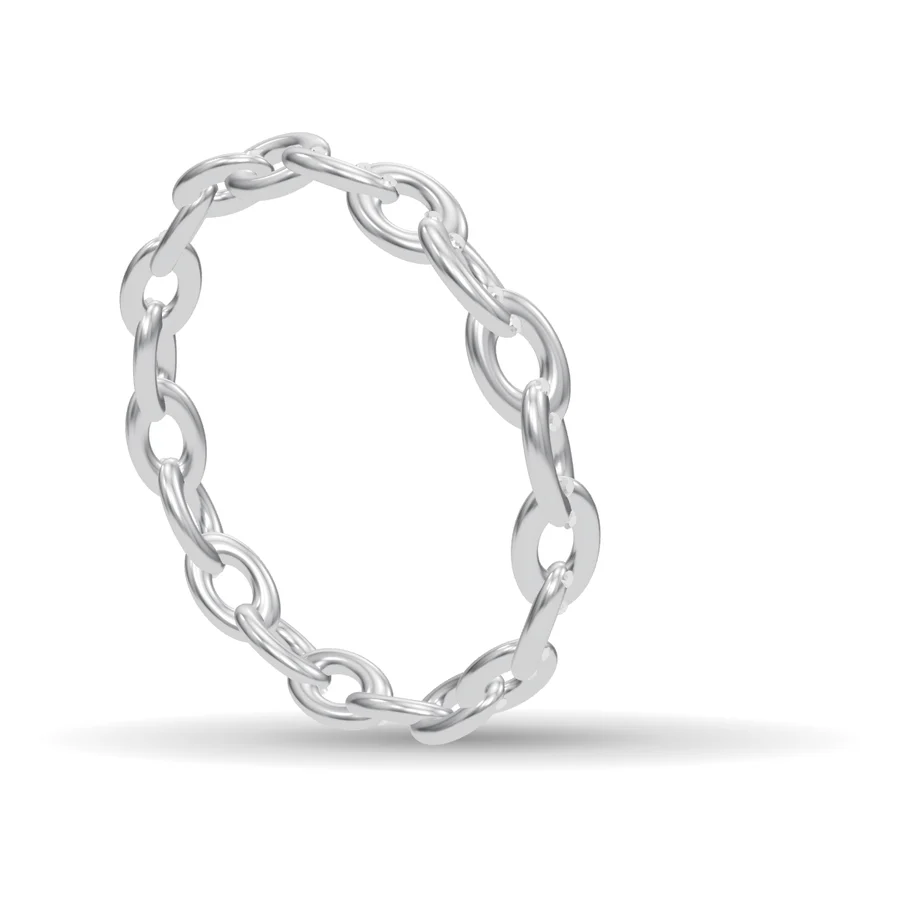
Pavé
Curb links set with diamonds.
1 in the index
09
Anatomy
The names for each part of a ring, so you can say what you like about one. The stone, prongs and gallery together are called the head.
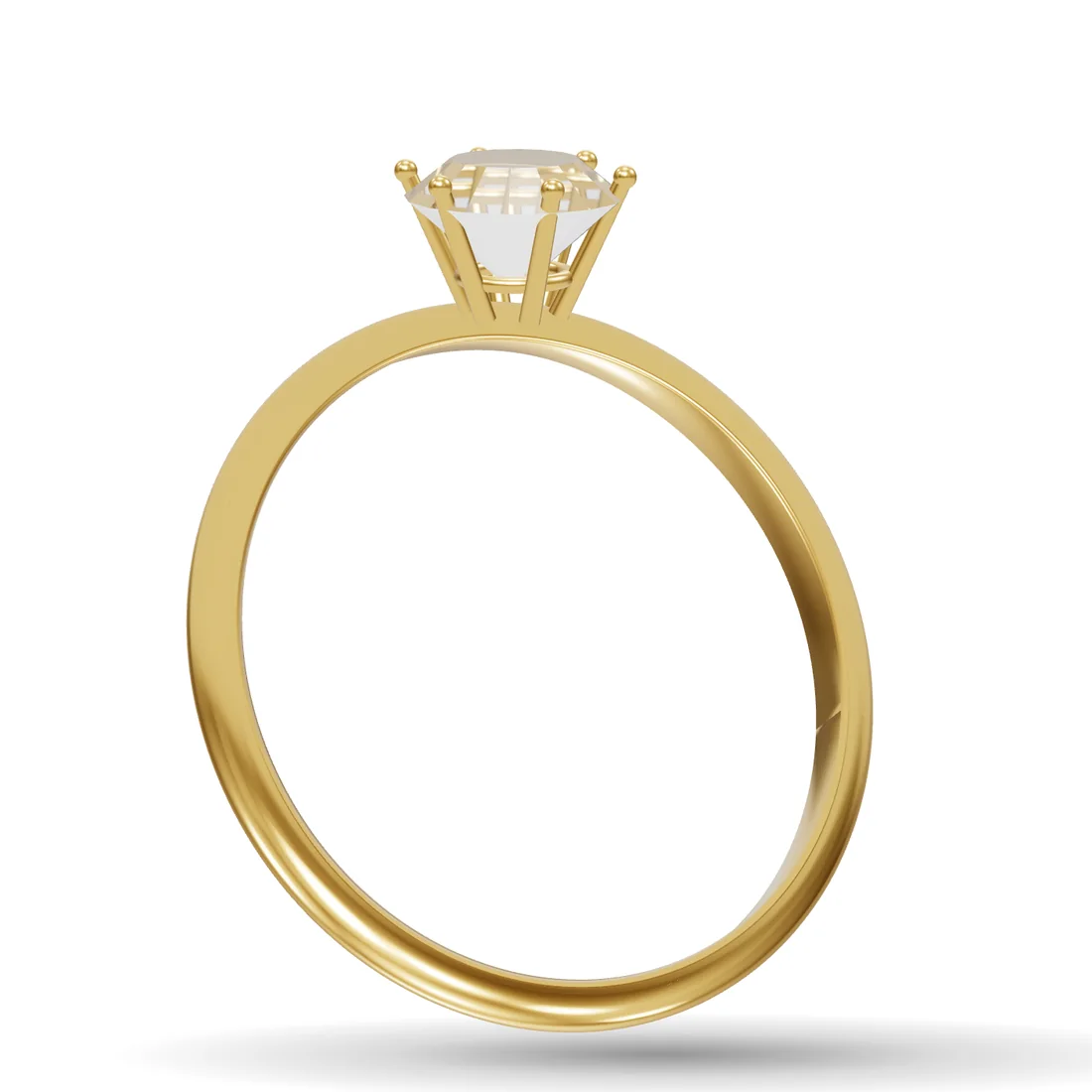
- 1
Centre Stone
The main stone, and usually most of the price.
- 2
Prongs
Metal claws that hold the stone; four or six is usual.
- 3
Gallery
The metalwork under the stone, seen from the side.
- 4
Shoulders
Where the band rises to meet the stone; sometimes set with diamonds.
- 5
Shank
The band itself, the part that goes round the finger.
10
Stone Shapes
A stone's shape is its outline seen from above. It changes how the stone sparkles, how big it looks and how it sits on the hand.
The Classics
Round
Cut for the most sparkle, and the classic for engagement.
Oval
A round's sparkle, stretched long, which makes the finger look slimmer.
Emerald
Long, flat steps like a hall of mirrors. It shows flaws, so choose a clean stone.
Pear
Round at one end and pointed at the other, usually worn point to the nail.
Cushion
A square with soft, rounded corners, like a pillow.
Princess
A square with sharp corners and a round's sparkle. Prongs should guard the corners.
Radiant
An emerald's outline with a round's sparkle.
Marquise
Long and pointed at both ends, so it looks bigger than its weight.
Asscher
A square step cut with deep corners, an Art Deco classic.
Heart
The romantic one. It reads best in a larger stone.
Antique & Specialty
Old European
The round's ancestor, from about 1890 to the 1930s: a small table, a high crown and broad flashes of light.
Old Mine
The antique cushion, cut by hand in the 1700s and 1800s, with a small table and soft, chunky sparkle.
Rose Cut
A flat back under a dome of triangles. It glows more than it sparkles.
Baguette
A slim step-cut rectangle, most often set either side of a centre stone.
Trillion
A triangle with gently curved sides, often a pair flanking a centre stone.
Half Moon
Half a circle, cut in pairs to sit either side of a centre stone.
Hexagon
Six sides, often stretched long. Modern and geometric.
Kite
Four sides like a kite. An unusual centre stone, and sharp in a toi et moi.
Shield
Flat across the top and pointed below, like a shield.
Cabochon
No facets at all: a smooth, polished dome, common in colored stones and signets.
11
Ring Sizes
Find your size at home with a strip of paper or a ring that already fits, then check it against the chart.
Find Your Size
Your size will show here.
| US | UK & AU | EU | Diameter | Circumference |
|---|---|---|---|---|
| 3 | F | 44 | 14.1 mm | 44.2 mm |
| 3.5 | G | 45 | 14.5 mm | 45.5 mm |
| 4 | H | 47 | 14.9 mm | 46.8 mm |
| 4.5 | I | 48 | 15.3 mm | 48.0 mm |
| 5 | J½ | 49 | 15.7 mm | 49.3 mm |
| 5.5 | K½ | 51 | 16.1 mm | 50.6 mm |
| 6 | L½ | 52 | 16.5 mm | 51.9 mm |
| 6.5 | M½ | 53 | 16.9 mm | 53.1 mm |
| 7 | N½ | 54 | 17.3 mm | 54.4 mm |
| 7.5 | O½ | 56 | 17.7 mm | 55.7 mm |
| 8 | P½ | 57 | 18.1 mm | 57.0 mm |
| 8.5 | Q½ | 58 | 18.5 mm | 58.2 mm |
| 9 | R½ | 60 | 18.9 mm | 59.5 mm |
| 9.5 | S½ | 61 | 19.4 mm | 60.8 mm |
| 10 | T½ | 62 | 19.8 mm | 62.1 mm |
| 10.5 | U½ | 63 | 20.2 mm | 63.3 mm |
| 11 | V½ | 65 | 20.6 mm | 64.6 mm |
| 11.5 | W½ | 66 | 21.0 mm | 65.9 mm |
| 12 | X½ | 67 | 21.4 mm | 67.2 mm |
| 12.5 | Y½ | 68 | 21.8 mm | 68.5 mm |
| 13 | Z½ | 70 | 22.2 mm | 69.7 mm |
Inside measurements. EU sizes are the inside circumference in millimetres.
Getting It Right
- Measure at the end of the day, when your hands are warm. Fingers are smaller in the cold.
- Paper beats string, which stretches. Wrap it snug at the base of the finger, mark where it meets, and measure it flat.
- It has to pass the knuckle. If your knuckle is wider than the base of your finger, size for the knuckle.
- Wide bands fit tighter. Over about 6 mm wide, as most men's bands, Cubans and signets are, go up a quarter to a half size.
- Between two sizes, go up.
- A full eternity band can't be resized, so get sized by a jeweler before you buy one.
Which Finger
- Engagement & Wedding
- The fourth finger of the left hand in the US and UK. Germany, Norway, Poland and Russia wear the wedding ring on the right.
- Signet
- Traditionally the little finger of the hand you don't write with.
- Pinky
- The little finger, as the name says.
- Statement
- The right hand, on the ring or middle finger, away from an engagement ring.
- Stacking
- Anywhere: two or three to a finger, or spread across the hand.
Still Deciding
Not sure which?
Ask a curator.
Answer a few questions and a curator will put together a shortlist from the jewelers in the index, then walk through it with you by email, phone or video. It's complimentary.
Ask a curatorThe pictures are illustrations made by Ring Curators to show each style and shape; they aren't pieces in the index.